THE SCIENCE OF CONNECTION
THE SCIENCE OF CONNECTION
THE SCIENCE OF CONNECTION
TOWARDS A LIVING, RESPONDING EXPERIENCE
What happens in your brain when you lock eyes with a wild animal?
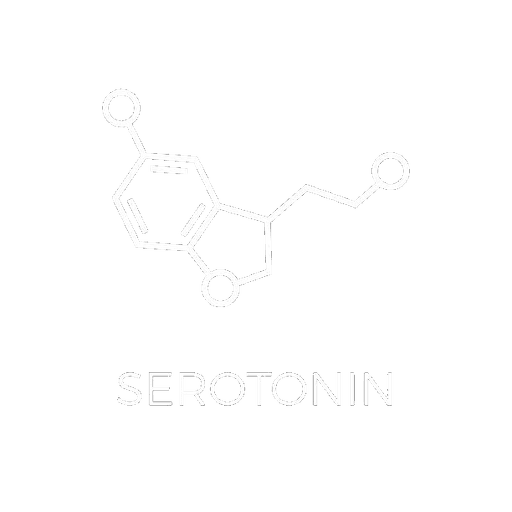
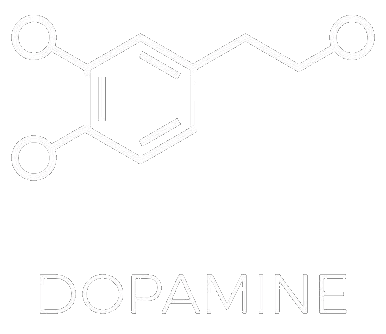
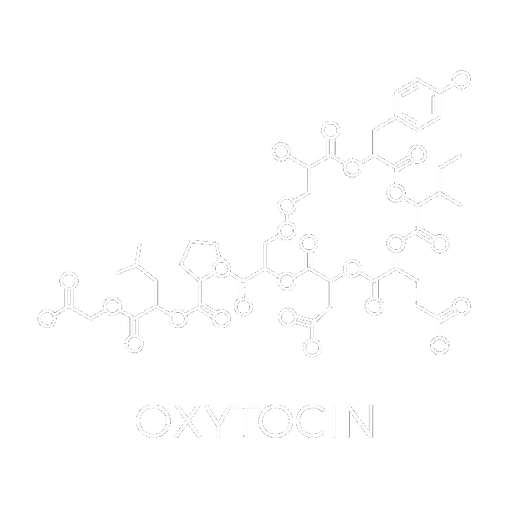
In that moment of connection, a cascade of neurochemicals floods your system—oxytocin surges by up to 40%, dopamine activates reward pathways, and your neural networks begin to synchronize with theirs.
While your conscious mind registers only about 50 of the 11 million bits of information bombarding you every second, that powerful moment of eye contact creates a connection that traditional conservation statistics simply cannot match.
TOWARDS A LIVING, RESPONDING EXPERIENCE
What happens in your brain when you lock eyes with a wild animal?
In that moment of connection, a cascade of neurochemicals floods your system—oxytocin surges by up to 40%, dopamine activates reward pathways, and your neural networks begin to synchronize with theirs.
While your conscious mind registers only about 50 of the 11 million bits of information bombarding you every second, that powerful moment of eye contact creates a connection that traditional conservation statistics simply cannot match.
TOWARDS A LIVING,
RESPONDING EXPERIENCE
What happens in your brain when you lock eyes with a wild animal?
In that moment of connection, a cascade of neurochemicals floods your system—oxytocin surges by up to 40%, dopamine activates reward pathways, and your neural networks begin to synchronize with theirs.
While your conscious mind registers only about 50 of the 11 million bits of information bombarding you every second, that powerful moment of eye contact creates a connection that traditional conservation statistics simply cannot match.
THE NEUROSCIENCE OF EYE CONTACT
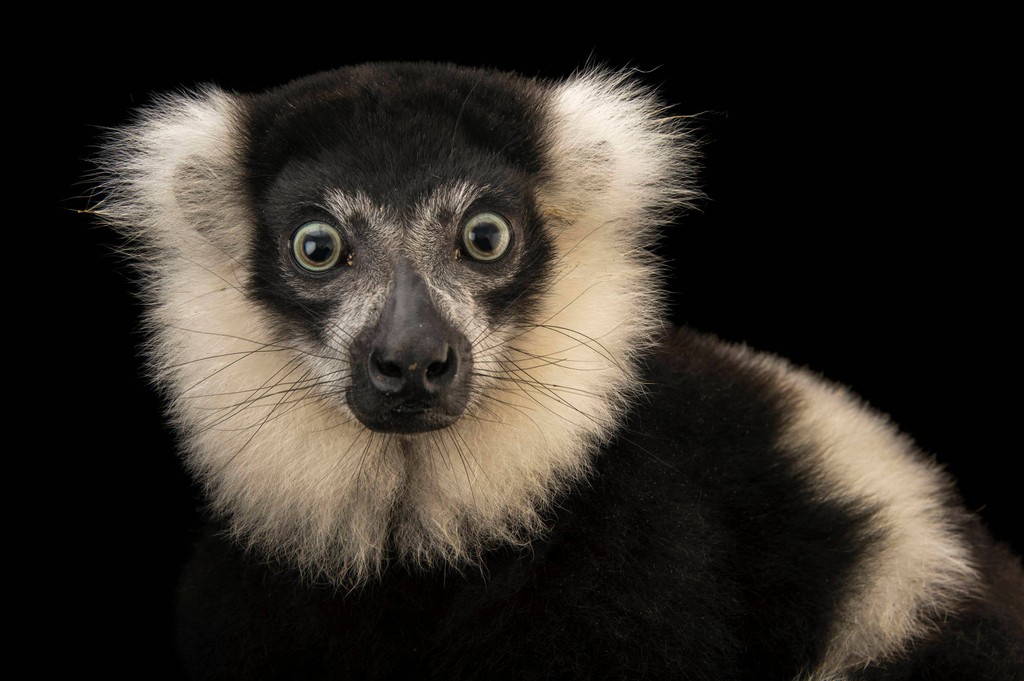
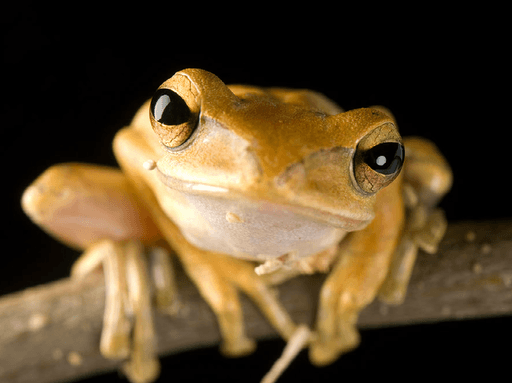
Eye contact is one of the most powerful forms of nonverbal communication across species. When you lock eyes with another being:
• Neural pathways activate that bypass normal visual processing
• Oxytocin levels increase by up to 40%, enhancing empathy and trust
• Dopamine activates reward pathways in your brain
• Brain activity synchronizes between participants during mutual gaze
Most remarkably, these effects occur even across species boundaries—creating profound connections between humans and animals.
THE NEUROSCIENCE OF EYE CONTACT
Eye contact is one of the most powerful forms of nonverbal communication across species. When you lock eyes with another being:
• Neural pathways activate that bypass normal visual processing
• Oxytocin levels increase by up to 40%, enhancing empathy and trust
• Dopamine activates reward pathways in your brain
• Brain activity synchronizes between participants during mutual gaze
Most remarkably, these effects occur even across species boundaries—creating profound connections between humans and animals.
A LIVING EXHIBITION THAT RESPONDS TO YOU
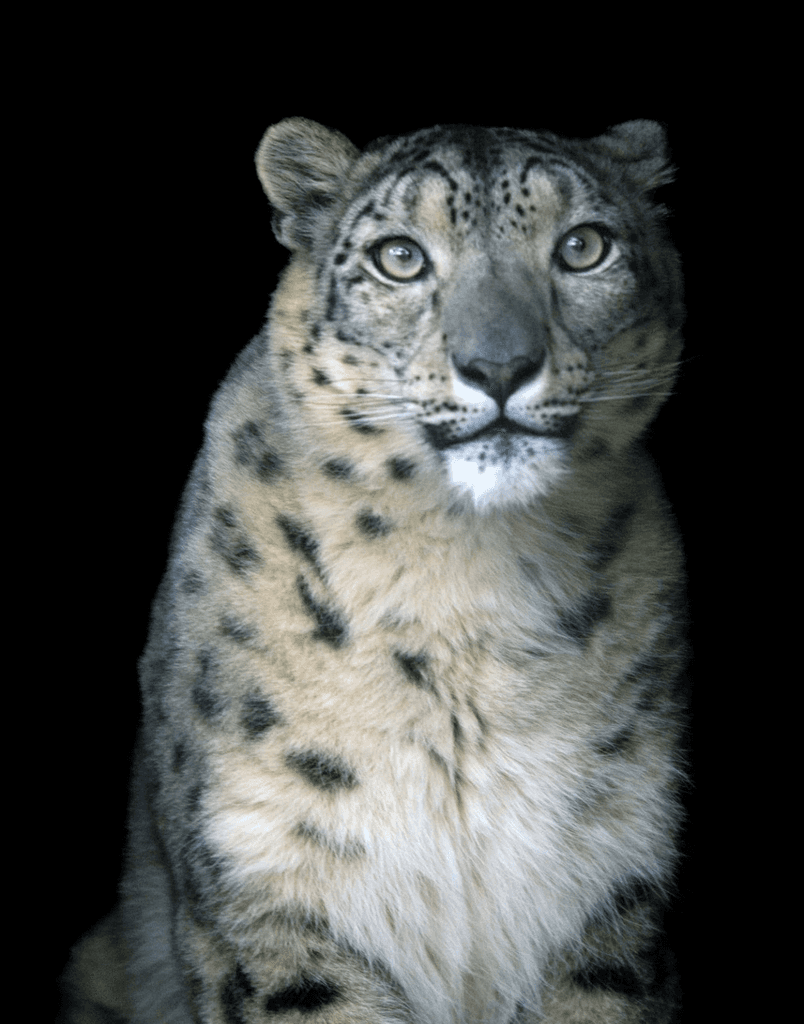
Tree of Life takes this connection further through a groundbreaking responsive environment developed with Dr. Paul Zak's Immersion Lab. The exhibition subtly responds to visitors' collective emotional states through biometric data.
As you connect with endangered species through eye contact, your heart rate data influences:
• Lighting intensity and color temperature
• Audio elements and soundscapes
• Visual effects like simulated weather patterns
• Movement and behavior of background elements
This creates a powerful metaphor for our relationship with nature—just as our collective actions impact natural environments whether we're conscious of it or not, your presence shapes the exhibition around you.
A LIVING EXHIBITION THAT RESPONDS TO YOU
Tree of Life takes this connection further through a groundbreaking responsive environment developed with Dr. Paul Zak's Immersion Lab. The exhibition subtly responds to visitors' collective emotional states through biometric data.
As you connect with endangered species through eye contact, your heart rate data influences:
• Lighting intensity and color temperature
• Audio elements and soundscapes
• Visual effects like simulated weather patterns
• Movement and behavior of background elements
This creates a powerful metaphor for our relationship with nature—just as our collective actions impact natural environments whether we're conscious of it or not, your presence shapes the exhibition around you.
MEASURING EMOTIONAL IMPACT
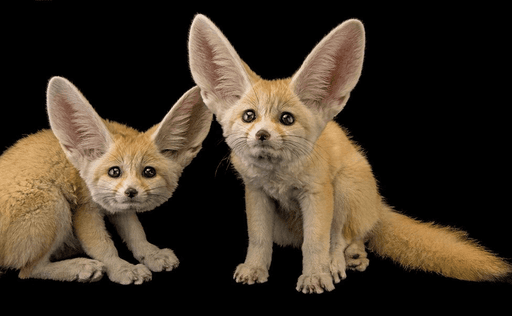
Through the SIX smartwatch application, we measure:
• Heart rate variability: Indicating emotional engagement
• Electrodermal activity: Reflecting emotional arousal
• Neural synchrony: How collective experiences align brain activity
This science-based approach allows us to optimize our exhibition for maximum conservation impact while contributing to groundbreaking research on emotional engagement with environmental issues.
MEASURING EMOTIONAL IMPACT
Through the SIX smartwatch application, we measure:
• Heart rate variability: Indicating emotional engagement
• Electrodermal activity: Reflecting emotional arousal
• Neural synchrony: How collective experiences align brain activity
This science-based approach allows us to optimize our exhibition for maximum conservation impact while contributing to groundbreaking research on emotional engagement with environmental issues.
BEYOND AWARENESS: CREATING ACTION
By connecting emotional experience directly to conservation action through our Land Acquisition Initiative, we create a complete neural circuit from emotion to action to reward—establishing lasting pathways for continued engagement.
Our design creates an experience specifically calibrated to form neural connections that transform how people engage with conservation issues.
BEYOND AWARENESS: CREATING ACTION
By connecting emotional experience directly to conservation action through our Land Acquisition Initiative, we create a complete neural circuit from emotion to action to reward—establishing lasting pathways for continued engagement.
Our design creates an experience specifically calibrated to form neural connections that transform how people engage with conservation issues.

Because when we truly see them, we're neurologically primed to save them.
Because when we truly see them, we're neurologically primed to save them.

MEET OUR NEURSCIENCE BOARD
MEET OUR NEURSCIENCE BOARD
MEET OUR NEUROSCIENCE BOARD

Dr. Laura E. Beavin-Yates
I am the Director of the Master of Science in Applied Psychology (MAPP) and professor of Consumer Psychology at the University of Southern California (USC). My specialty is in applying psychology and neuroscience to consumer behavior and experience design. I have given many press interviews, talks, and published articles on emotion, decision-making, consumer behavior, storytelling, and entertainment.
I am also the co-founder of Immersion, which provides an agile neuroscience tool that predicts what content people will love. Decades of peer-reviewed research and industry work went into creating our technology which is used by companies that want to create awesome content and experiences.
I also consult on consumer behavior (e.g., entertainment, food, brand experience), experience design, volunteerism, environmental behavior, and charitable giving.
Dr. Laura E. Beavin-Yates
I am the Director of the Master of Science in Applied Psychology (MAPP) and professor of Consumer Psychology at the University of Southern California (USC). My specialty is in applying psychology and neuroscience to consumer behavior and experience design. I have given many press interviews, talks, and published articles on emotion, decision-making, consumer behavior, storytelling, and entertainment.
I am also the co-founder of Immersion, which provides an agile neuroscience tool that predicts what content people will love. Decades of peer-reviewed research and industry work went into creating our technology which is used by companies that want to create awesome content and experiences.
I also consult on consumer behavior (e.g., entertainment, food, brand experience), experience design, volunteerism, environmental behavior, and charitable giving.

Dr. Paul J. Zak
Scientist, author, and entrepreneur known for pioneering the field of neuroeconomics. As founding Director of the Center for Neuroeconomics Studies and Professor at Claremont Graduate University, Dr. Zak discovered that oxytocin functions as the brain's "moral molecule," influencing trust and virtuous behaviors. This groundbreaking research has applications in organizational performance, economics, and neurological treatment. He holds degrees in mathematics and economics, with a Ph.D. from the University of Pennsylvania and post-doctoral training from Harvard. Dr. Zak is Co-Founder and Chief Science Officer of Ofactor, Inc., a frequent TED speaker, and author of "The Moral Molecule," which was a Wellcome Trust Book Prize finalist.
Dr. Paul J. Zak
Scientist, author, and entrepreneur known for pioneering the field of neuroeconomics. As founding Director of the Center for Neuroeconomics Studies and Professor at Claremont Graduate University, Dr. Zak discovered that oxytocin functions as the brain's "moral molecule," influencing trust and virtuous behaviors. This groundbreaking research has applications in organizational performance, economics, and neurological treatment. He holds degrees in mathematics and economics, with a Ph.D. from the University of Pennsylvania and post-doctoral training from Harvard. Dr. Zak is Co-Founder and Chief Science Officer of Ofactor, Inc., a frequent TED speaker, and author of "The Moral Molecule," which was a Wellcome Trust Book Prize finalist.

Dr. Jorge Barraza
I am the Director of the Master of Science in Applied Psychology (MAPP) and professor of Consumer Psychology at the University of Southern California (USC). My specialty is in applying psychology and neuroscience to consumer behavior and experience design. I have given many press interviews, talks, and published articles on emotion, decision-making, consumer behavior, storytelling, and entertainment.
I am also the co-founder of Immersion, which provides an agile neuroscience tool that predicts what content people will love. Decades of peer-reviewed research and industry work went into creating our technology which is used by companies that want to create awesome content and experiences.
I also consult on consumer behavior (e.g., entertainment, food, brand experience), experience design, volunteerism, environmental behavior, and charitable giving.
Dr. Jorge Barraza
I am the Director of the Master of Science in Applied Psychology (MAPP) and professor of Consumer Psychology at the University of Southern California (USC). My specialty is in applying psychology and neuroscience to consumer behavior and experience design. I have given many press interviews, talks, and published articles on emotion, decision-making, consumer behavior, storytelling, and entertainment.
I am also the co-founder of Immersion, which provides an agile neuroscience tool that predicts what content people will love. Decades of peer-reviewed research and industry work went into creating our technology which is used by companies that want to create awesome content and experiences.
I also consult on consumer behavior (e.g., entertainment, food, brand experience), experience design, volunteerism, environmental behavior, and charitable giving.


info@TreeOfLifeProject.co
SIGN UP FOR OUR BI-MONTHLY NEWSLETTER:
• Updates on tech development
•Updates on neuroscience & wellness integration
• Biodiversity land focus spotlights
• Endangered species spotlight
© 2025 Tree of Life Project. All rights reserved.
info@TreeOfLifeProject.co
SIGN UP FOR OUR BI-MONTHLY NEWSLETTER:
• Updates on tech development
•Updates on neuroscience & wellness integration
• Biodiversity land focus spotlights
• Endangered species spotlight
© 2025 Tree of Life Project. All rights reserved.
info@TreeOfLifeProject.co
SIGN UP FOR OUR BI-MONTHLY NEWSLETTER:
• Updates on tech development
•Updates on neuroscience & wellness integration
• Biodiversity land focus spotlights
• Endangered species spotlight
© 2025 Tree of Life Project. All rights reserved.